

“Password” is not a secure password. That may seem like the most obvious statement in the world. Yet for some strange reason, “password” is still the 4th most popular password choice, according to an annual study from SplashData. Here are the other gems from their Top 10 most popular (and most hacked) password list.
TechTips
How to Keep Your Customer Information Secure
Good security comes from good planning, so you need to carefully consider how to handle customer information in order to be successful. It’s your responsibility to make your customers feel safe and let them know that they can trust you. A large part of that is keeping your own computer systems safe. Because if you can’t protect your software, how can you protect sensitive customer information?
Collecting customer information is a delicate act of balancing expectations with results. You have to be straightforward and plan diligently in order to prove that you’re trustworthy and have the right safeguards in place to protect against breaches and loss of private information.

Why is My Computer So Slow?
Frustration. You know the feeling. The tear-out-your-hair, pound-your-fist-on-the-desk feeling when you’re just trying to get something done and your computer is crawling. Why is your computer running so slow, and what can you do about it? Here are a few of the most common reasons and some advice on how to get your systems up to speed.
3 Lessons from the Google Phishing Scam
If you haven’t heard, a super-sneaky phishing attack posing as Google Docs recently rampaged among Gmail users. The cleverly disguised email only took a couple clicks (through a REAL Google site!) to access your email account and forward the phishing email to everyone in your contact list. Google reacted quickly to stop the attack, but it spread like wildfire while it was active because it was so hard to detect.
Here’s how it worked:
7 Tips to Defend Against a Data Disaster
One click may be all it takes…
You’re checking your email Monday morning, cup of coffee in hand. You mark a few to follow up, confirm a meeting for the afternoon, and then delete a couple of junk promotional emails. But then you come across one that looks important – and it’s about an overdue invoice. You click on it and open the attached document to see what the problem is. Little did you know, a malicious file that was embedded in that document is now infecting your system, spreading like wildfire across your network.
Suddenly a note pops up on your screen:

Benefits of an Efficient Remote Office
More than a mere convenience, telecommuting—working from a home or other remote office—provides employees and employers with some fairly impressive benefits. It hasn’t always been easy allowing employees to work remotely due to technology constraints and an inability to monitor the success of the stay-at-home worker. However, advances in both hardware and software are giving businesses the opportunity to push the limits of efficiency and make remote offices as productive, if not more so, than the actual office.
How to Properly Vet Your IT Consultant
A skilled and knowledgeable IT consultant can do wonders for your business, regardless of whether you’re a small business or a larger enterprise. Unfortunately, the reverse is true for IT consultants who are only interested in turning a profit. If their priorities don’t align with yours or they can’t handle your company’s needs, they can cause significant damage to your data infrastructure and your wallet.
The first thing you need to do is determine whether you need an in-house IT team/consultant or if hiring a third party out-of-house will satisfy your needs. In many cases, you may only need out-of-house assistance, which is fine; but the caveat with hiring consultants is that you should always apply the same vetting process to them as you would for full-time hires. An IT consultant can and likely will play a crucial part in ensuring the integrity of your network, helping you maintain backups, and providing proactive maintenance for your computers.
Your approach to hiring a consultant—and vetting them—is a multistep process that begins with understanding what you need to fill that role in the first place.
6 Tactics to Combat High-Level IT Security Threats
The number of cyber-attacks and security threats across the country and throughout the globe has gone up – but there’s an even more critical problem businesses should worry about. The complexity and threat-level of those security breaches have increased, becoming more sophisticated. It’s increasingly more common for hackers to target larger companies—oftentimes, many at once. Today’s malware tends to have many different attack vectors compared to malware five or ten years ago. This means IT security is even more integral now to the overall health and integrity of your company’s data infrastructure.
One of the most recent cyberattacks to make the headlines sent ripples out across the world as Internet usage flickered out for many large businesses and popular online services, such as Netflix, Twitter, and the Financial Times. The attack on the New Hampshire-based Internet performance management company, Dyn, was carried out as a distributed denial-of-service (DDoS) attack that came in waves. The result was literally hundreds of thousands of devices around the world infected with malware.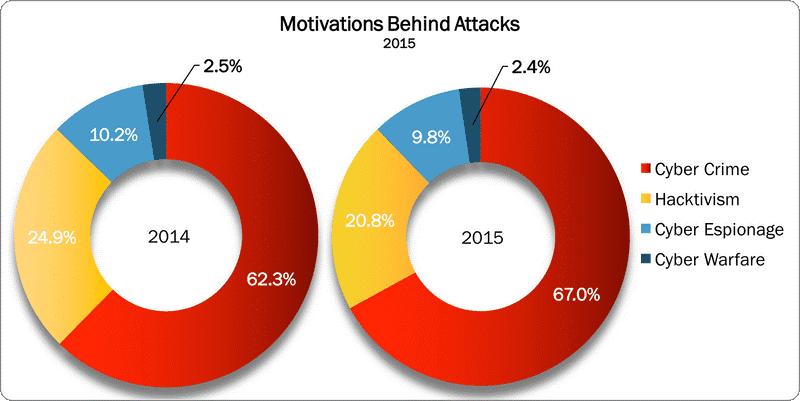
Hackers are becoming emboldened, and as activity from hacktivist groups and both cyber warfare and espionage remain somewhat steady, the world of IT security has to rise to the challenge of protecting and preventing future attacks. If the DDoS on Dyne was any indication of the scope or power of hackers out there, then companies most certainly need to reevaluate their level of IT security to ensure they have something capable of handling high-level security threats such as these.
How to Lower Your IT Costs
In the continued push to reduce overspending, increase workplace efficiency, and develop a fiscally sound work model, companies often neglect working toward lowering their IT costs. Whether your business has an in-house IT department or you outsource your IT work to another company, there are precautions you can take to avoid overpaying and being sold services you can’t benefit from.
One of the most valuable pieces of advice for companies shopping for IT services or attempting to make the most out of their internal IT teams without breaking the bank is to favor regular maintenance and proactive monitoring versus waiting to fix a problem when it occurs.
How to Protect Your E-commerce Website from Hackers and Fraud
The customer journey is a long but rewarding process, so when your e-commerce website prospects finally become customers and reach your checkout page, you want to make sure things go smoothly. You’ve done a lot to get your visitors to the checkout page, from providing high-resolution images and accurate product descriptions to a responsive design and smooth customer experience, but there’s one critical conversion element every e-commerce site needs.
Security. Specifically, customer security.
Most online stores require the same kind of information, all of which fall under either the personal or financial category. This data includes things like credit card numbers, full names, physical mailing addresses, email addresses, and more. The information a customer is required to provide to conclude an online transaction can be devastating if lost, which is what has happened to many online retail stores who have had their security breached by malware and hackers.
According to the Global Fraud Attack Index for 2016 Q2, “there were 27 attacks for every 1,000 transactions conducted in 2015 Q4, which is 11% higher than reported in 2015 Q3 and a 215% increase from 2015 Q1.” Between Q4 of 2105 and Q1 of 2016, the attack rate was higher than 4X for digital goods and doubled for luxury goods.
Whether or not customer information has been stolen or simply lost, your security and recovery plan should be able to address malicious hackers and fraud. Providing top-notch security for your e-commerce site is the best way to give your customers peace of mind, retain their business, and grow yourself as a respected, trustworthy online store.
Proactive security is necessary for the prolonged protection of your website and your customer transactions. We’ve detailed five actionable tips below to securing your site against fraud and hackers.